
LáLew Honors Community Voices: What We Can Learn From Our Elders and Why Their Stories Matter
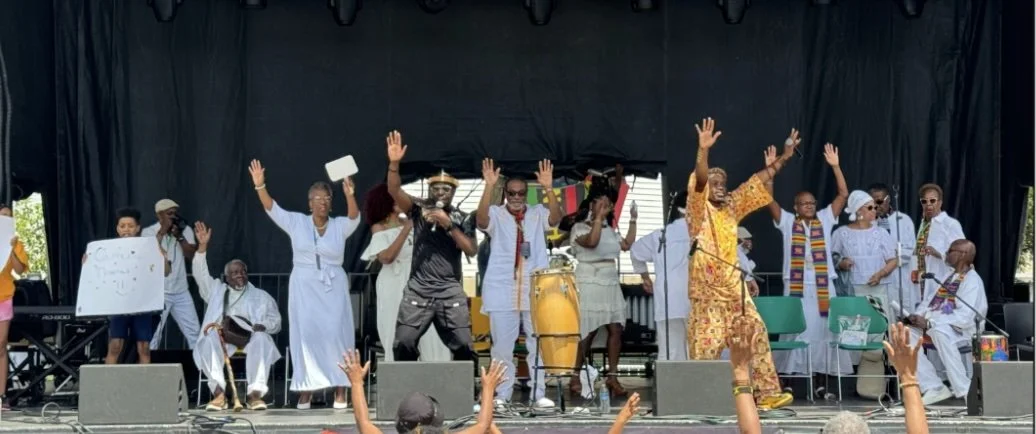
There’s a unique sense of connection that fills a room when an elder begins to share their story. Conversations are quiet, attention shifts, and people lean in. Not just to hear facts, but to experience a piece of history through someone who lived it. These moments are more than storytelling; rather, they are opportunities to learn, reflect, and carry forward the wisdom of those who came before us. It was this spirit, so powerfully reflected in the Elders Circle at Rochester’s Juneteenth Festival, that inspired us to write this piece.
At LáLew, we are committed to honoring community voices. At a time when we often prioritize what’s new and next, it’s important to remember that our elders hold invaluable knowledge, experiences, and perspectives. Their stories preserve culture and offer lessons that can guide future generations.
Why Oral Histories Still Matter
In a world filled with endless streams of digital information, there is still no substitute for hearing a story firsthand. When elders share their experiences, they offer more than facts—they bring history to life through their voices and emotions. The lessons they share are shaped by lived experience, giving them a sense of authenticity that cannot be replicated.
Many elders serve as connections to significant moments in community history, carrying memories, unique traditions, and perspectives that may exist nowhere else. By listening to and preserving their stories, we help ensure that valuable pieces of our collective history are not lost.
Carrying It Forward
Honoring our community elders is something we should intentionally prioritize. While meaningful ceremonies and gatherings play an important role, it is equally important to recognize them in everyday ways, such as listening to, learning from, and celebrating their wisdom and contributions. Here are a few simple ways to intentionally honor and learn from the wisdom of our elders:
Invite stories, not just answers. Asking, "What experiences have shaped our family or community the most?" encourages memories that preserve history and connection.
Record when you can. Memories can fade.
Pass it on. Share what you've learned so those stories continue to live on.
The Juneteenth WAZEE Circle of Elders Ceremony brought the community together to honor elders through heartfelt tributes, storytelling, cultural expression, and recognition of the individuals whose lives and experiences continue to shape future generations. The Wazee served as a powerful reminder that some of our most meaningful history isn’t found in books or archives. Rather it lives in the stories, memories, and lived experiences of the people around us. At LáLew, we believe these voices matter not only for the history they preserve, but for the wisdom they continue to offer and pass forward within our communities today.